Best Places to Purchase Car Parts: A Detailed Resource for Quality and Budget-Friendly Pricing
Discovering suitable car parts can be a challenging task. It demands juggling quality with budget-consciousness. Different options are present, from local auto parts stores to online retailers and salvage yards. Each option offers its own set of benefits and disadvantages. Understanding these differences is critical. As one moves through this landscape, certain key considerations will emerge, impacting the decision-making process. The next steps will illustrate how to make informed choices.
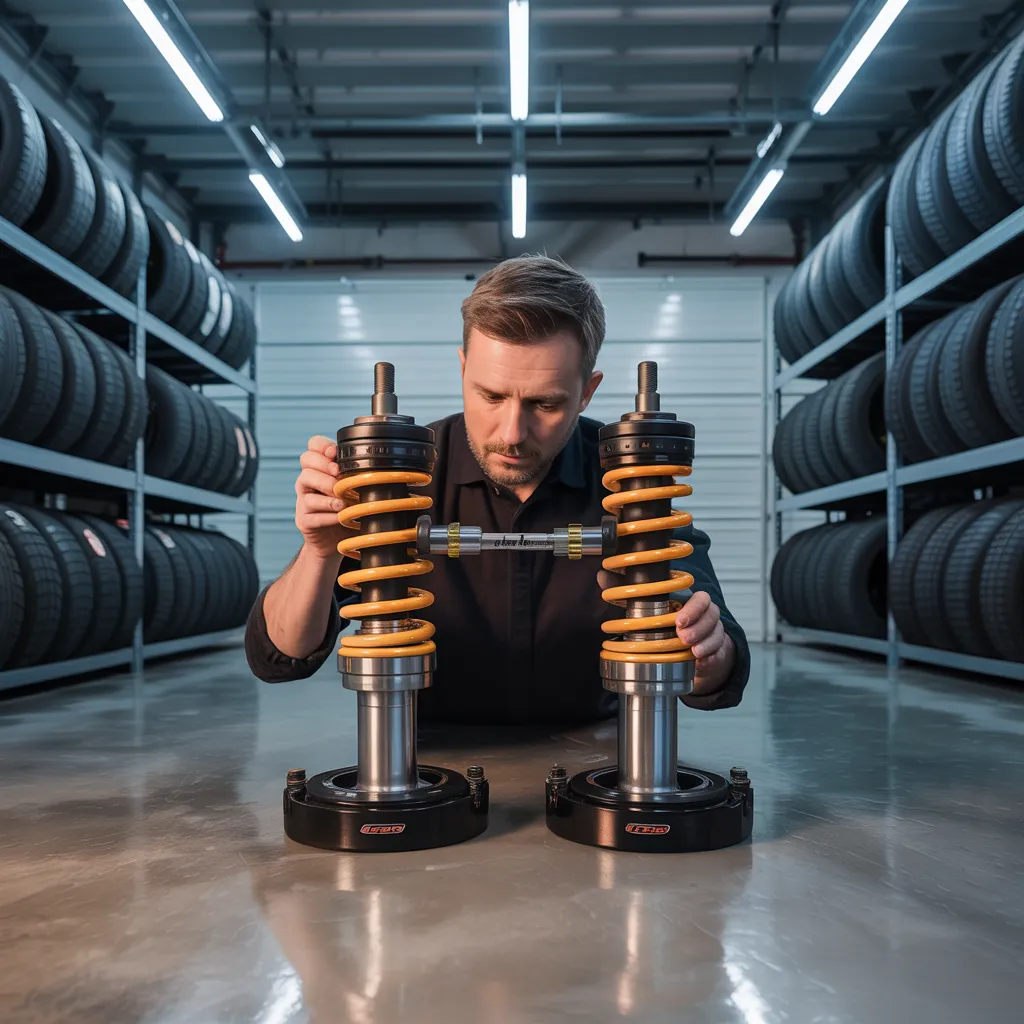
How to Identify Your Vehicle's Part Needs
How might a car proprietor precisely identify their car's part requirements? First, it is important to consult the vehicle handbook, which provides specific information regarding part numbers and requirements. Additionally, vehicle identification numbers (VIN) can be employed to determine exact parts required for a particular make and model. Online databases and automotive communities provide insights into typical problems and suggested substitutes, aiding in the identification process.
One helpful method is performing a careful inspection of the vehicle. Identifying worn or damaged parts can assist in determining necessary replacements. Furthermore, collaborating with a trusted mechanic for a precise evaluation can clarify part needs, especially when dealing with more complex issues. By combining these approaches—manual reference, VIN analysis, try now online resources, visual inspection, and professional consultation—vehicle owners can accurately identify the parts required for their vehicles, ensuring optimal performance and safety.
Local Auto Parts Stores: Advantages and Drawbacks
Local auto parts stores offer an easy alternative for vehicle owners requiring immediate access to parts. These stores typically have experienced staff who can assist in selecting the right components, delivering valuable advice on installation and compatibility. Moreover, local stores regularly stock a variety of brands, allowing customers to choose based on cost and performance.
However, there are limitations to assess. Pricing at local auto parts stores may be greater compared to online retailers, reducing value for some consumers. Additionally, inventory can vary considerably, which might result in a limited selection for specific or less common parts. Also, store hours can be confining, making it problematic for those with busy schedules to shop.
In the final analysis, local auto parts stores represent a mixed bag of merits and demerits, making it essential for vehicle owners to balance their options based on urgent needs and sustained economic viability.
Top Digital Retailers for Car Parts
Those who value the comfort of ordering remotely, will find that online distributors of car parts serve as a strong alternative to neighborhood auto parts stores. Renowned sites including AutoZone, RockAuto, and Advance Auto Parts supply broad inventories spanning everyday components to specialized products. Such retailers typically deliver accessible platforms that allow shoppers to browse by vehicle make and model, assuring suitability with their individual requirements.
In addition, Amazon and eBay have grown as vital players in the car parts market, furnishing an substantial collection of choices, regularly at competitive prices. Multiple online retailers also offer reviews from customers, which can enhance shopping confidence. Also, the capacity to compare prices across different sites allows buyers to find the best bargains. Alongside the benefit of home delivery, shopping for car parts on the internet has become increasingly attractive for consumers seeking both quality and affordability.
Factors Demonstrating Why Salvage Yards Are Deserving of Thought
While numerous car owners may ignore salvage yards as a practical alternative for sourcing parts, these facilities often provide major advantages that can lead to substantial savings. Salvage yards typically offer a wide range of used parts at a fraction of the cost of new components, making them an attractive choice for economical-minded individuals. Customers can find everything from engines and transmissions to body panels and interior components, often in good condition.
Additionally, acquiring from salvage yards encourages environmental responsibility by supporting recycling and reducing waste. Many yards also enable customers to inspect parts firsthand, ensuring compatibility and quality before placing a buy. Skilled staff can assist in finding the right components, further boosting the shopping experience. For those willing to invest a bit of time in hunting, salvage yards can uncover great deals, turning them a worthwhile consideration for anyone seeking car parts.
Aftermarket vs. OEM Car Parts: Key Distinctions
When comparing OEM and aftermarket car parts, numerous important distinctions emerge. Performance and quality may differ significantly, influencing the dependability of repairs. Additionally, cost considerations and warranty offerings play essential roles in a consumer's purchasing decisions.
Excellence and Performance Factors
Navigating the selection between aftermarket and OEM car parts requires an comprehension of their distinct qualities and performance capabilities. OEM parts are manufactured by the original vehicle manufacturer, ensuring precise fit and adherence to factory specifications. These components often provide reliability and durability, as they undergo rigorous testing. Conversely, aftermarket parts are produced by third-party companies and can vary widely in quality. While some aftermarket options may match or exceed OEM standards, others might compromise on performance or durability to reduce costs. Buyers should consider factors such as warranty, compatibility, and material quality when evaluating either type. Ultimately, the right choice copyrights on individual needs, vehicle requirements, and performance expectations.
Budget Implications and Value
Grasping the cost distinctions between OEM and aftermarket auto parts is key for making educated purchasing decisions. OEM parts, created by the original manufacturer, usually carry a premium because of their assured compatibility and strict factory standard compliance. On the other hand, aftermarket parts, built by third-party manufacturers, often are more budget-friendly, making them attractive to cost-conscious customers. Nonetheless, the quality of aftermarket options may vary greatly, which can affect durability and performance. While initial costs are a major factor, customers should also weigh long-term expenses connected to reliability and effectiveness. Ultimately, weighing upfront costs against future maintenance is necessary for combining affordability with reliability in vehicle care.
Warranty and Technical Help Offerings
Warranty and support features act as an important consideration in the acquisition decision for procuring vehicle parts. When contemplating OEM (Original Equipment Manufacturer) products, buyers regularly take advantage of extensive protection, expressing the manufacturer's conviction in their product quality. These warranties typically protect from defects and guarantee strong performance, strengthening belief among patrons.
In contrast, aftermarket parts may present varied warranty terms. Some aftermarket manufacturers extend favorable protections, while others may prove insufficient in adequate safeguards, leading to foreseeable hazards for the buyer. Customer care can also differ materially; OEM parts usually feature verified support channels, whereas third-party alternatives might provide limited assistance. Ultimately, understanding these distinctions helps customers select with insight based on their objectives for quality, reliability, and peace of mind.
Analyzing Car Parts: Quality Indicators and Cost Comparison
When evaluating car parts, it is essential to identify quality markers that indicate reliability and durability. Additionally, comparing price options across various suppliers can reveal significant differences that affect overall value. Understanding warranty terms further helps consumers in making informed decisions about their purchases.
Spotting Quality Markers
Evaluating car parts demands a keen eye for quality signs that can greatly impact car performance and longevity. First, authenticity is paramount; legitimate parts often come with manufacturer labels and warranties. In addition, materials serve an important function; high-quality items are typically made from strong metals or modern polymers, supplying superior resistance to degradation. Additionally, reviewing quality and fit can reveal manufacturing standards; precise dimensions and refined surfaces often point to superior craftsmanship. Accreditations from recognized organizations can also serve as a reliable quality standard. Finally, consumer feedback and professional recommendations furnish helpful guidance into the durability span and reliability of individual parts. By identifying these markers, consumers can make sound choices that contribute to their car's total performance.
Contrasting Price Selections
When assessing car parts, reviewing price options is key for ensuring both quality and budget alignment. Price variations can show differences in quality, so consumers should assess multiple sources, including online retailers, local auto parts stores, and dealerships. It is critical to consider not just the price tag but also the part’s reputation for reliability and performance. Using tools such as price comparison websites can ease this process, helping buyers to easily identify the best deals. Additionally, examining customer reviews and ratings helps assess product satisfaction. Ultimately, a well-rounded approach to price comparison, factoring in quality indicators alongside cost, will lead to informed purchasing decisions that weigh affordability with durability.
Comprehending Protection Requirements
Understanding warranty terms is a crucial aspect of buying car parts that often goes unnoticed. A warranty signifies the manufacturer's trust in the product's quality and durability. Typically, warranties differ in length and coverage, encompassing defects in materials and workmanship. Buyers should note the distinction between limited and full warranties; the former may place restrictions or exclude certain damages. Additionally, it's essential to assess the warranty's portability, especially for used parts. A comprehensive warranty can suggest higher quality, offering reassurance to the buyer. When comparing prices, a extended or more comprehensive warranty can justify a higher cost, as it may save money on potential future maintenance. Ultimately, understanding these terms enhances informed purchasing decisions for car parts.
Surveying the landscape of car parts buying requires a thoughtful strategy, whether web-based or offline. Consumers should begin by identifying the specific parts they want, ensuring compatibility with their vehicle. Web-based shoppers can profit from contrasting prices across multiple websites, taking advantage of user reviews to gauge excellence and reliability. It's essential to examine return policies to avoid potential issues.
When making offline purchases, stopping by local auto parts stores allows customers the chance to physically inspect items and ask for expert advice. Developing relationships with knowledgeable staff may provide personalized recommendations. Furthermore, consumers should consider timing; sales events or holiday promotions frequently bring significant savings.
Both digital and brick-and-mortar buyers should also stay cautious about fraudulent goods, prioritizing reputable retailers. Finally, a comprehensive understanding of coverage details can provide further assurance of quality and longevity, guaranteeing that consumers choose wisely in their car parts buying.
Commonly Requested Questions
What Methods Can I Use to Know if a Part Is Compatible With My Vehicle?
In order to establish part compatibility, one must check the vehicle's make, model, and year, consult the owner's manual, and use online databases or part retailers that offer compatibility filters for correct matching.
What Guarantees Commonly Come with Car Parts?
Commonly, warranties on car parts extend from 30 days to lifetime coverage, contingent on the manufacturer and part type. These warranties often protect defects but may rule out damage from improper installation or misuse.
Can I Return Car Parts if They Don't Fit?
Yes, many retailers allow returns of car parts that don't fit, as long as they remain unused and in original packaging. It's important for buyers to check specific return policies before making a purchase to steer clear of complications.
Are there seasonal sales for car parts?
Seasonal deals for automotive parts frequently occur during holidays, end-of-year clearance events, and major shopping days. Retailers usually provide savings, making it a ideal time for consumers to acquire parts at reduced prices.
How Can I Find Local Technicians for Installation?
To discover local service specialists for setup, one can leverage online directories, review platforms, and social media recommendations. Additionally, asking acquaintances for suggestions often provides reliable neighborhood choices for car maintenance.